


Getting a Chicago sign permit is one of those steps that often gets overlooked until a business is ready to install a sign. Then it becomes a bottleneck. We see this a lot with business owners setting up storefronts in areas like the Loop, River North, Wicker Park, and Logan Square. The design is ready. The location is secured. But approval delays slow everything down.
As a sign company serving Chicago, Captivating Signs works with local businesses throughout the permit and signage process, from early zoning review through final installation. Over time, we’ve seen how proper planning can prevent costly revisions, delayed approvals, and unnecessary back-and-forth with the city.
This guide breaks down how the Chicago sign permit process works, what requirements businesses should expect, what commonly slows approvals down, and how to prepare before submitting an application.
Do You Need a Chicago Sign Permit?
In most cases, yes. If your sign is visible from the outside of your building, you likely need a permit.
Chicago regulates signage to maintain safety, visibility standards, and consistency across commercial areas. That applies whether you’re opening a storefront on Michigan Avenue or adding signage inside a shopping plaza in neighborhoods like Pilsen or Lincoln Park.
A permit is usually required for:
- Exterior building signs
- Wall signs
- Projecting signs
- Illuminated signs
- Roof-mounted signs
- Some window graphics (depending on size and coverage)
Smaller interior signs usually don’t need approval, but anything visible from public space often does. We always recommend confirming early in your planning stage. It helps avoid redesigns or installation delays later.
Types of Signs That Require Permits in Chicago
Different sign types fall under different rules, and that’s where many businesses run into confusion during the Chicago sign permit process. Understanding these categories early helps avoid delays during planning and submission.
Channel letter signs
Common for storefronts along busy streets like State Street or Clark Street. Channel letter signs are individually mounted letters, often illuminated and highly visible from a distance.
Blade signs (projecting signs)
You’ll often see these in dense retail areas like the West Loop. They extend outward from the building and help attract foot traffic from multiple directions.
Lightbox signs
These are internally lit and commonly used for visibility during nighttime hours. They help businesses stay noticeable even in low-light conditions.
Monument signs
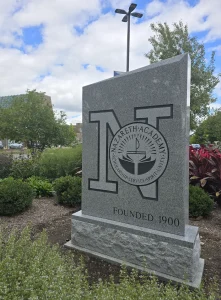
Freestanding monument signs usually placed near entrances or parking areas. They are often used for multi-tenant buildings or business parks.
Window graphics (large-scale)
Small decals may be exempt, but full coverage designs usually require review. These are often used for branding, promotions, or privacy coverage.
Chicago Sign Permit Requirements Every Business Should Know
To move through the Chicago sign permit approval process, certain requirements must be met before submission.
Most applications require:
- Scaled drawings of the sign design
- Building elevation showing placement
- Material specifications
- Electrical details (for illuminated signs)
- Property owner authorization
- Contractor details
The city reviews both the structural safety and visual compliance of the sign. One key point we often explain to business owners is that compliance isn’t just about the sign itself. It’s also about where it’s placed on the building and how it interacts with zoning rules.
Understanding Chicago Signage Zoning Rules for Businesses
Chicago uses zoning districts to determine what type of signage is allowed. This is one of the most important parts of the Chicago sign permit process. Each neighborhood has different zoning classifications. For example:
- Downtown commercial zones allow larger, illuminated signage
- Residential-adjacent areas have stricter size limits
- Historic districts may require additional review
- Industrial zones allow more flexible signage structures

If you’re setting up in areas like the South Loop or the Near North Side, signage rules can change from one block to another. This is why early zoning checks matter. It prevents redesigns after submission and helps avoid delays during the city of Chicago’s sign permit application process.
Step-by-Step Guide to the Chicago Sign Permit Process
The process can feel layered, but it follows a clear sequence that becomes easier once each stage is understood. Here’s how the Chicago sign permit process typically works from start to finish.
1. Site review and measurements
We start by reviewing your building, zoning district, and available signage space. This ensures the proposed sign fits both your location and compliance requirements.
2. Design development
Sign layout is created based on compliance rules and brand requirements. Placement, sizing, and visibility are all considered during this stage.
3. Permit preparation
All technical drawings and supporting documents are assembled for submission. These details must match both structural and zoning standards.
4. City submission
The application is submitted through the official city of Chicago sign permit application system. This formally starts the review process with the city.
5. City review and revisions
The city evaluates zoning, structural, and electrical compliance. If adjustments are required, revisions are submitted until requirements are met.
6. Approval and installation
Once approved, installation can move forward. At this stage, scheduling and fabrication are finalized for execution.
Required Documents for Chicago Sign Permit Application Process
A complete application helps keep the Chicago sign permit process moving smoothly.
Most submissions include:
- Architectural elevation drawings
- Sign layout with dimensions
- Structural mounting details
- Electrical diagrams (if applicable)
- Property ownership proof or approval letter
- Contractor license information
- Zoning confirmation documents
Missing documents are one of the most common reasons applications get delayed. We usually recommend preparing everything up front instead of submitting in stages.

How Long Does It Take to Get a Chicago Sign Permit?
Timelines vary depending on complexity and workload at the city level.
On average:
- Simple signs: a few weeks
- Medium complexity signs: several weeks
- Large or illuminated signs: longer review periods
Delays often happen during revisions or incomplete submissions in the city of Chicago’s sign permit application process.
For businesses opening in high-traffic areas like River North or West Loop, planning ahead is important. Sign installation timelines often connect directly to opening dates.
Key Mistakes Businesses Make During Chicago Sign Permits
There are a few common issues we consistently see that slow down the Chicago sign permit approval process. Most of these challenges come from early-stage planning gaps that could have been avoided with proper review.
We’ve seen a few recurring issues that slow down approval:
- Incorrect measurements: Even small errors can trigger revisions.
- Missing zoning checks: Some signs get designed before zoning is confirmed.
- Incomplete drawings: The city requires precise technical detail.
- Electrical documentation gaps: Illuminated signs often need additional review.
- Overlooking building restrictions: Some buildings have their own signage rules on top of city codes.
These issues usually come from rushing the early planning stage of the Chicago sign permit process, which is why careful preparation matters before submission.
Factors Affecting the Cost of a Sign Permit in Chicago
The cost of a Chicago sign permit isn’t just a single fixed fee. It depends on the type of sign, its size, and how complex the installation will be.
However, the total investment often includes:
- Application filing fees
- Design and engineering drawings
- Structural review requirements
- Electrical review (if applicable)
- Re-submission fees if revisions are needed
Costs vary depending on the scope of the project and compliance requirements tied to the Chicago sign permit. Most delays that add expense come from incomplete applications rather than the permit fees themselves.

How Working With a Professional Sign Company Helps the Process
The Chicago sign permit process is technical. It involves zoning interpretation, structural compliance, and detailed documentation. From our experience at Captivating Signs, most delays come from small gaps in paperwork or misalignment with city requirements.
Our role in the process is to help you:
- Understand zoning restrictions before design starts
- Prepare accurate technical drawings
- Align sign design with compliance rules
- Manage the city of Chicago’s sign permit application submission
- Handle revisions if the city requests changes
Instead of treating permitting as a separate step, we integrate it into the full signage process. That helps keep timelines more predictable and reduces back-and-forth with the city.
Get Your Chicago Sign Approved and Installed Smoothly
A Chicago sign permit is more than paperwork because it determines how quickly your business becomes visible to the public. Whether you’re in a busy corridor or a growing neighborhood, signage plays a key role in recognition and first impressions.
The process works best when everything is prepared early, including drawings, zoning checks, and required documents. At Captivating Signs, we help Chicago businesses move through each step so signage is ready when the business is ready.
Contact us today to discuss your city of Chicago sign permit application and commercial signage project.